
By Ron, Founder of Tactical Fitness Austin
Last updated: June 2026
TL;DR
A great first shot and a slow, low-left second shot isn’t a trigger problem. It’s recoil management. It’s a setup you build before the shot breaks, and it’s the fastest thing private training fixes.
Your first shot is good.
Your second shot is late, low, and to the left.
That’s not a trigger problem. That’s recoil management, and almost nobody is taught it correctly.
Most shooters think recoil control is about strength, or about muscling the gun back down. It isn’t. It’s a setup you build before the shot ever breaks: grip, stance, and structure that send the gun straight back and straight back down into the same spot, every time.
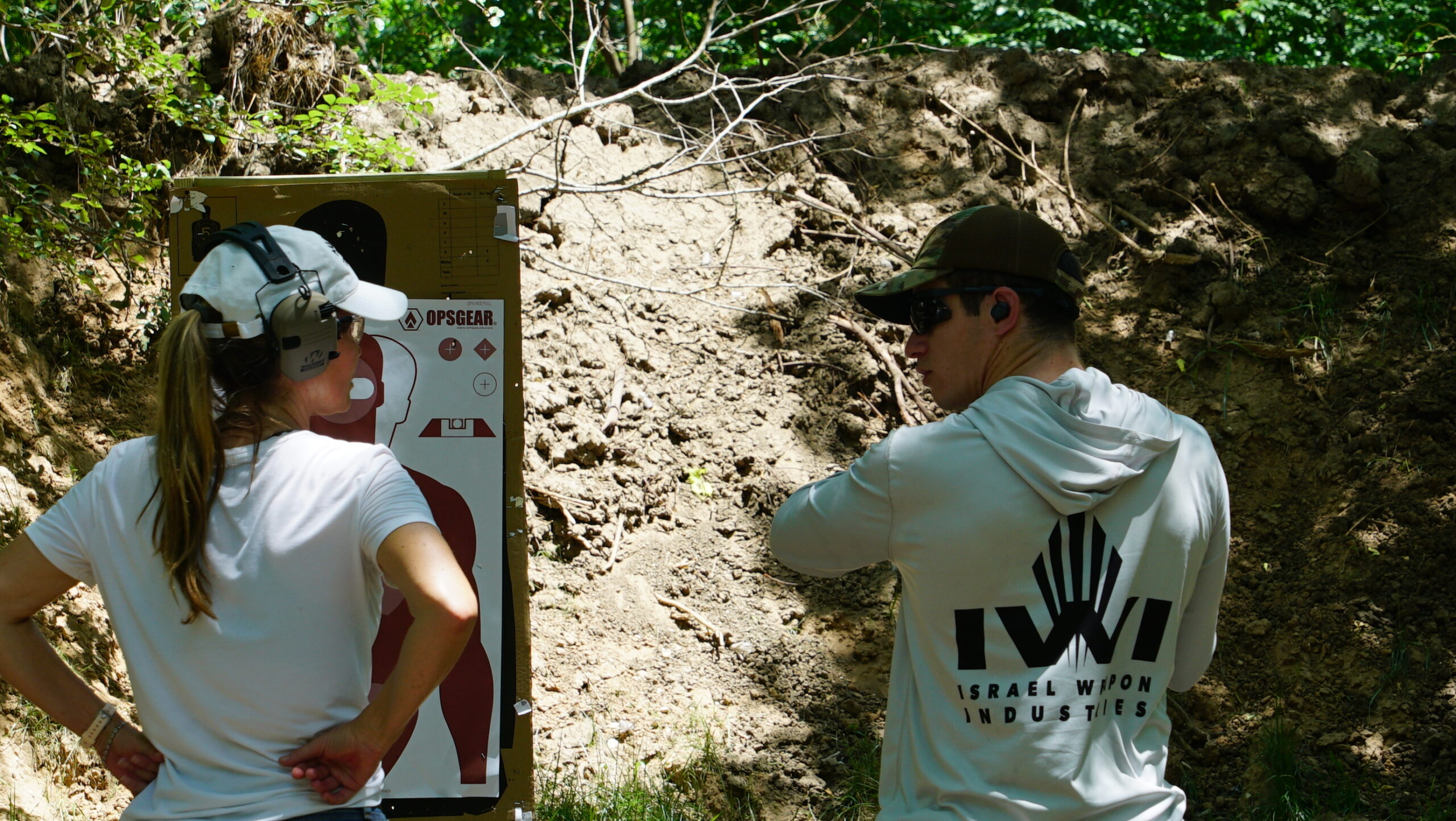
Why this quietly caps everyone’s shooting
You can have a flawless trigger press and still shoot slow, because every follow-up shot means hunting for the sights again. Get recoil right and the sights come back on their own. That’s the difference between shooting at the gun’s pace and shooting at yours.
- Recoil control is grip and structure, not muscle
- A bad setup means re-aiming after every single shot
- Anticipating the recoil is what drives the low-left flinch
- You can’t see your own recoil problem, you need eyes on you
What actually controls the gun
1. Grip pressure and placement. High, firm, and built in the holster. The support hand does most of the work; most people badly under-grip with it.
2. Skeletal structure. Wrists locked, elbows slightly bent, the gun supported by bone, not muscle that fatigues and wanders.
3. Stance and load. Weight forward, driving into the gun so it has somewhere to go and somewhere to return to.
4. Visual patience. Letting the sight lift and settle instead of fighting it down. Tracking the gun, not forcing it.
Build those and the gun tracks flat. The dot or the sights drop back into the notch by themselves. Splits get faster without trying to be fast.
Why most shooters never fix it
- It feels like it’s working “well enough” on slow fire
- The flaw only shows up on fast follow-up shots, which most people never push
- No one has ever watched their grip and corrected it in real time
- A video can’t see your hands
This is the fastest thing private training fixes.
One session, one-on-one, with an ex-special-forces instructor watching the gun track and correcting your grip and structure shot by shot. Recoil management is the single highest-return thing most shooters can fix, and it’s nearly impossible to fix alone, because you can’t see what your own hands are doing wrong.
If your first shot is great and your second one isn’t, that’s the gap. And it closes faster than you’d think with the right eyes on you.
Train hard,
Ron
Founder, Tactical Fitness Austin
P.S. Film yourself from the side shooting a controlled pair. Watch the muzzle. If it climbs and wanders instead of lifting and dropping back to the same spot, your setup is the problem, not your aim. One private session usually flattens it.
Book a private lesson at Tactical Fitness Austin →
Frequently asked questions
Why is my second shot slower and lower than my first?
That's almost never a trigger problem, it's recoil management. If your grip and structure aren't set up to send the gun straight back and back down to the same spot, every follow-up shot means hunting for the sights again. Fix the setup and the sights return on their own.
Is recoil control about strength?
No. Recoil control is grip and skeletal structure, not muscle. A high firm grip, locked wrists, soft elbows slightly out, and weight driving forward let the gun track flat and return to the same point. Muscling the gun down fatigues and fails; structure doesn't.
What's the fastest way to improve follow-up shot speed?
Fix recoil management before chasing a faster trigger or a new optic. It's the single highest-return thing most shooters can fix, and it's nearly impossible to fix alone because you can't see what your own hands are doing. It takes a coach watching the gun track, which is the focus of private training at Tactical Fitness Austin.