
By Ron, Founder of Tactical Fitness Austin
Last updated: June 2026
TL;DR
Your gun is going to stop. The question is whether your hands already know what to do. Here are the reloads and malfunction clearances that have to be reflex, and why most people have never actually tested them.
Your gun is going to stop running.
Slide locked back. A click instead of a bang. A round that didn’t eject.
The question isn’t if. It’s whether your hands already know what to do.
Most shooters have never cleared a malfunction they didn’t set up themselves. They know the drill names. They’ve watched the videos. But under a shot timer, with a real stoppage they didn’t expect, the hands freeze.
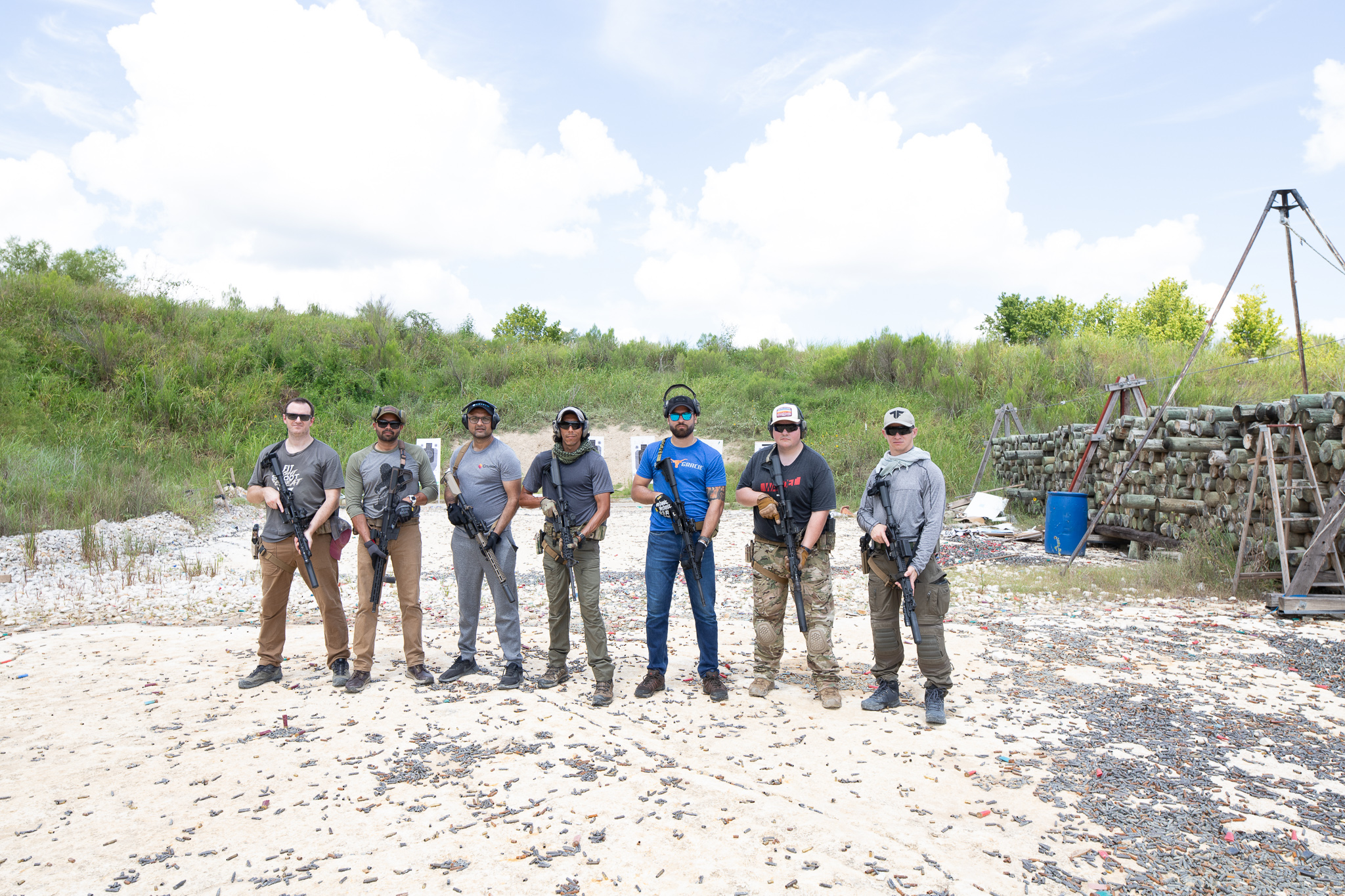
Why this is the gap everyone ignores
A reload or a malfunction clearance is boring to practice. It’s not as satisfying as putting rounds on paper. So it gets skipped, until the one time it matters and the gun is a brick in your hands.
- A stoppage you didn’t cause is nothing like one you set up
- Fine motor skills collapse under stress, so your reload has to be gross-motor simple
- Looking at the gun to diagnose the problem costs you the fight
- “I’ll figure it out” is not a plan
The manipulations that have to be reflex
1. Emergency reload. Gun empty, slide locked back, threat still there. Magazine out, new one in, slide forward, back in the fight.
2. Tactical reload. A lull, a partial magazine, topping off behind cover before you run dry. Retaining the partial, not dumping rounds in the dirt.
3. Failure to fire. Tap, rack, reassess. Trained until it’s automatic the instant you hear a click.
4. Stovepipe and double-feed. The ugly ones. Lock, strip, clear, reload. The malfunctions most people have never cleared on a clock.
Four manipulations. Done the same way every time, without looking, while something else is demanding your attention.
Why most people never get there
- Static ranges don’t let you train reloads on the move or under time pressure
- Solo practice means no one is inducing surprise stoppages on you
- It’s tedious, so it’s the first thing cut from a range day
- It only reveals itself as a weakness when it’s already too late
Combat Club is built for exactly this.
Repetition under pressure, alongside other members at your level, with instructors inducing the stoppages you can’t set up for yourself. You don’t rise to the occasion. You fall to your level of training. Combat Club raises that level on the manipulations everyone else skips.
The shooter who wins the fight isn’t the one with the best group. It’s the one whose gun stopped, and whose hands fixed it before their brain caught up.
Train hard,
Ron
Founder, Tactical Fitness Austin
P.S. Next range trip: have a buddy load your magazines with a random dummy round mixed in, without telling you where. Watch what your hands do when you hit it. That flinch-and-freeze is the thing we train out of you.
See if you qualify for Combat Club →
Frequently asked questions
What's the difference between a tactical and an emergency reload?
An emergency reload happens when the gun runs empty mid-fight: slide locked back, magazine out, fresh one in, back in the fight. A tactical reload happens during a lull, topping off a partial magazine behind cover before you run dry while retaining the partial. Different problems, different solutions.
How do you clear a double feed under stress?
A double feed is one of the harder malfunctions: lock the slide, strip the magazine, clear the chamber, then reload. The key is that it has to be a trained reflex. Most shooters have never cleared a surprise stoppage on a timer, so under stress their hands freeze instead of fixing it.
Why do reloads need to be trained, not just learned?
Knowing the steps and owning them are different. Under stress your fine motor skills collapse, and looking at the gun to diagnose a problem costs you the fight. Reloads and malfunction clearances have to be gross-motor simple and automatic, built through reps with a coach inducing surprise stoppages you can't set up for yourself.